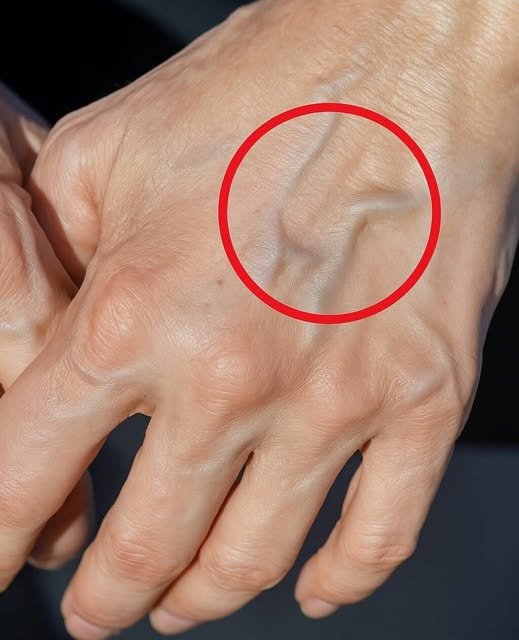
The human body is a remarkable network of biological systems, and few features draw as much attention as the sudden visibility of prominent veins. You might notice them while washing your hands, lifting weights at the gym, or simply relaxing on a warm afternoon—blue, green, or purple lines tracing paths across your forearms, the backs of your hands, or your calves. For many, seeing these veins can trigger curiosity or concern. Are they a sign of peak fitness, a natural effect of aging, or a warning from the circulatory system? To understand what your veins reveal, it helps to explore how blood moves through the body and the factors that affect its appearance
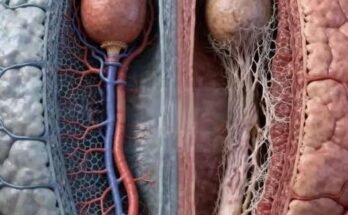
Veins serve as the body’s return pathways, carrying oxygen-depleted blood back to the heart. Unlike arteries, which are thick-walled and deeply embedded to handle high-pressure blood flow, veins are thinner and closer to the skin’s surface. Because they function under lower pressure, veins are highly sensitive to internal and external changes.
For many people, visible veins are entirely normal and healthy. One common reason, especially among fitness enthusiasts, is low body fat. Fat acts as a cushioning layer between skin and underlying tissue. When that layer is thin—due to athletic training or natural body composition—the veins press closer to the surface. This is why bodybuilders and endurance athletes often display pronounced veins: their vascularity reflects a low subcutaneous fat level and a high muscle-to-fat ratio
Aging also contributes to this phenomenon. Over time, skin loses collagen and elastin, thinning the layer that once concealed veins. Subcutaneous fat diminishes as well, allowing the vascular network to show through more prominently. In these cases, prominent veins are usually a natural sign of the body’s aging process, not a medical concern.
Veins can also appear more prominent due to temporary factors. During exercise, muscles demand increased blood flow, causing veins to expand to accommodate the return circulation. Heat can have a similar effect: veins dilate to release body heat and regulate temperature. Hormonal changes—such as those occurring during pregnancy, menstruation, or menopause—can also influence vein size and visibility.
Aging also contributes to this phenomenon. Over time, skin loses collagen and elastin, thinning the layer that once concealed veins. Subcutaneous fat diminishes as well, allowing the vascular network to show through more prominently. In these cases, prominent veins are usually a natural sign of the body’s aging process, not a medical concern.
Veins can also appear more prominent due to temporary factors. During exercise, muscles demand increased blood flow, causing veins to expand to accommodate the return circulation. Heat can have a similar effect: veins dilate to release body heat and regulate temperature. Hormonal changes—such as those occurring during pregnancy, menstruation, or menopause—can also influence vein size and visibility.
Maintaining vein health largely comes down to lifestyle. Staying hydrated keeps blood flowing efficiently, while regular movement—especially walking—activates the calf muscles, helping blood return to the heart. For those who sit or stand for long periods, frequent breaks or compression stockings can support circulation and prevent pooling.
Veins are not only markers of fitness or aging but also indicators of vascular health. By observing changes in appearance, texture, or sensation—such as swelling, hardening, or pain—you can safeguard your circulatory system. While prominent veins are often harmless, being attentive ensures your veins continue to serve as a vital highway for healthy blood flow.