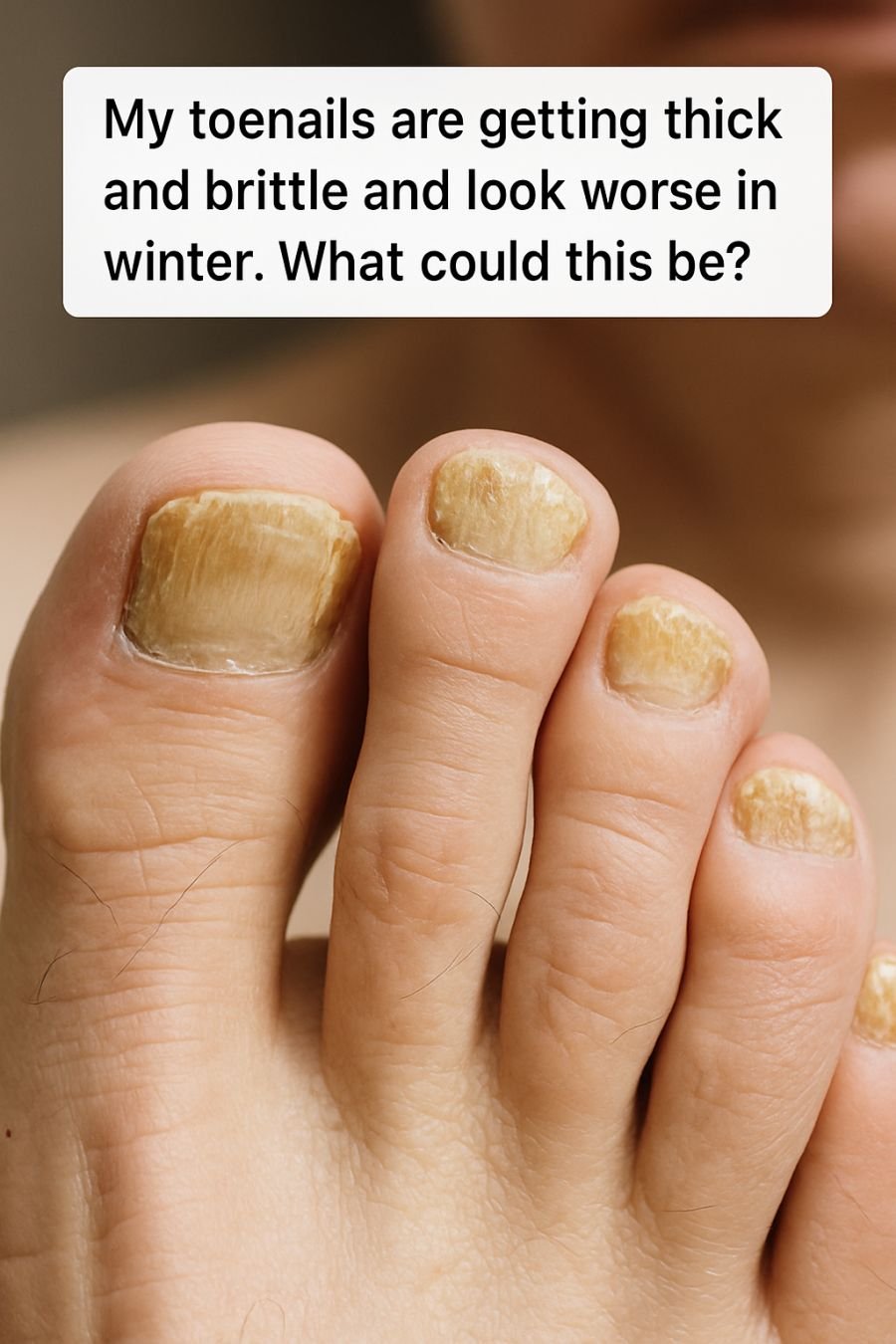
Winter is a time when many people notice changes in their toenails. While the cold weather itself doesn’t directly affect nail health, the conditions it creates can lead to noticeable changes in the texture and appearance of your toenails. Common complaints include thickening, brittleness, and discoloration, which can be both unsightly and uncomfortable.
Understanding the underlying causes of these changes is the first step in addressing them. From fungal infections to circulation issues, there are several potential reasons why your toenails may look worse in the winter months. Identifying the specific cause is crucial for effective treatment and prevention.
Why Toenails Change Texture and Color in the First Place
Toenails can change in texture and color due to a variety of reasons including infections, injuries, and systemic health issues. The nail plate, which is made of keratin, can become thick, brittle, or discolored due to disruptions in its growth. For instance, trauma to the nail can cause it to thicken as part of a protective response.
Nail color changes can be a result of staining from nail polish, fungal infections, or even medical conditions like diabetes or psoriasis. It’s important to observe these changes as they might indicate an underlying issue that requires medical attention.
1. Onychomycosis: The Most Common Cause of Thick, Brittle Toenails
Onychomycosis is a fungal infection that affects the toenails, leading to thickening, discoloration, and brittleness. This condition is quite common, affecting up to 10% of the general population, and even higher rates are seen in older adults. The fungus thrives in warm, moist environments, making toenails a perfect breeding ground.
Diagnosis is usually made through a physical examination and sometimes a lab test to identify the specific type of fungus. Treatment can be challenging and may involve topical antifungal medications, oral treatments, or even laser therapy in more resistant cases.
2. Why Fungal Infections Often Look Worse in Winter
Fungal infections can appear worse in winter due to the increased wearing of closed-toe shoes, which create an ideal warm and moist environment for fungi to thrive. Additionally, the reduced exposure to sunlight, which has natural antifungal properties, allows the infection to worsen.
Moreover, the winter months typically see a reduction in foot ventilation, as people tend to wear thicker socks and warmer shoes, further exacerbating fungal growth. Proper foot hygiene and allowing feet to breathe can help mitigate these effects.
3. Is It Just Aging? How Getting Older Affects Your Toenails
As we age, our toenails naturally undergo changes. They may become thicker and more brittle due to a slowdown in cell regeneration and changes in circulation. The nail plate may also become discolored or develop ridges.
Aging can also make the nails more susceptible to fungal infections and other issues, as the body’s immune response diminishes over time. Regular foot care and monitoring for changes can help manage these age-related alterations.
4. Trauma From Shoes and Sports: When Repeated Pressure Damages the Nail
Repeated pressure or trauma to the toenail from tight shoes or sports activities can lead to thickening and brittleness. This is particularly common among athletes who frequently engage in running or other high-impact sports.
The constant impact can cause the nail to separate from the nail bed, leading to a condition known as onycholysis. In severe cases, the nail may develop subungual hematomas, or blood blisters, which can cause further discoloration and thickening.
5. Circulation Problems and Cold Feet: The Hidden Winter Connection
Poor circulation, often exacerbated by cold weather, can lead to changes in toenail health. Cold temperatures cause blood vessels to constrict, reducing blood flow to the extremities, including the toes. This can result in slower nail growth and increased brittleness.
Conditions such as Raynaud’s disease, which affects circulation, can also contribute to these changes. Keeping feet warm and improving overall circulation through exercise can help alleviate some of these symptoms.
6. Psoriasis, Eczema, and Other Skin Conditions That Reach the Nails
Psoriasis and eczema are skin conditions that can extend to the nails, causing thickening, pitting, and discoloration. Nail psoriasis affects up to 50% of people with psoriasis and can lead to significant changes in nail appearance.
Treatment for these conditions often involves managing the underlying skin disorder with topical treatments, systemic medications, or biologics. Regular moisturizing and gentle nail care can also help minimize the impact on the nails.
7. Nutrient Deficiencies That Can Make Nails Weak and Crumbly
Deficiencies in certain nutrients, such as biotin, zinc, and iron, can lead to weak and brittle nails. Biotin, a B vitamin, is particularly important for nail health, and supplementation has been shown to improve nail strength in individuals with deficiencies.
A diet lacking in essential nutrients can also affect the keratin structure of the nail, leading to changes in texture and durability. Ensuring a balanced diet rich in vitamins and minerals is crucial for maintaining healthy nails.
8. When Thick Toenails Signal Diabetes or Other Underlying Illness
Thick toenails can sometimes be a sign of underlying health conditions such as diabetes. Diabetes can affect circulation and immunity, making individuals more susceptible to nail infections and changes.
Other systemic illnesses, like thyroid disorders or peripheral artery disease, can also manifest as changes in nail health. It’s important to monitor these changes and consult a healthcare professional if you suspect an underlying health issue.
9. Popular Home and Social Media Hacks: What Actually Helps and What to Avoid
There are numerous home remedies and social media hacks for treating thick and brittle toenails, such as soaking feet in vinegar or applying tea tree oil. While some of these remedies may provide temporary relief, their effectiveness can vary widely.
It’s important to approach these hacks with caution, as some may cause irritation or worsen the condition. Consulting with a healthcare professional is advisable before trying new treatments, especially if the problem persists.
10. When to See a Podiatrist or Dermatologist for Nail Changes
If you notice persistent changes in your toenails, such as thickening, discoloration, or pain, it’s important to consult a podiatrist or dermatologist. These specialists can provide a proper diagnosis and recommend appropriate treatments.
Early intervention can prevent further complications and help restore nail health. Regular check-ups are particularly important for individuals with underlying health conditions like diabetes.
11. Medical Treatments for Fungal and Damaged Toenails
Medical treatments for thick and brittle toenails caused by fungal infections may include topical antifungals, oral medications, or laser therapy. These treatments aim to eliminate the fungus and promote healthy nail growth.
For nails damaged by trauma or other conditions, treatment may involve protective strategies, such as wearing properly fitting shoes, or in severe cases, surgical intervention to remove the damaged nail.
12. Winter-Proof Nail Care Habits to Protect Your Toenails Year-Round
To protect your toenails during winter and beyond, maintain good foot hygiene by keeping feet clean and dry and trimming nails regularly. Moisturizing the nails and surrounding skin can prevent brittleness and cracking.Wearing breathable footwear and allowing feet to air out can help reduce the risk of fungal infections. Incorporating these habits into your routine can support healthy nails throughout the year.