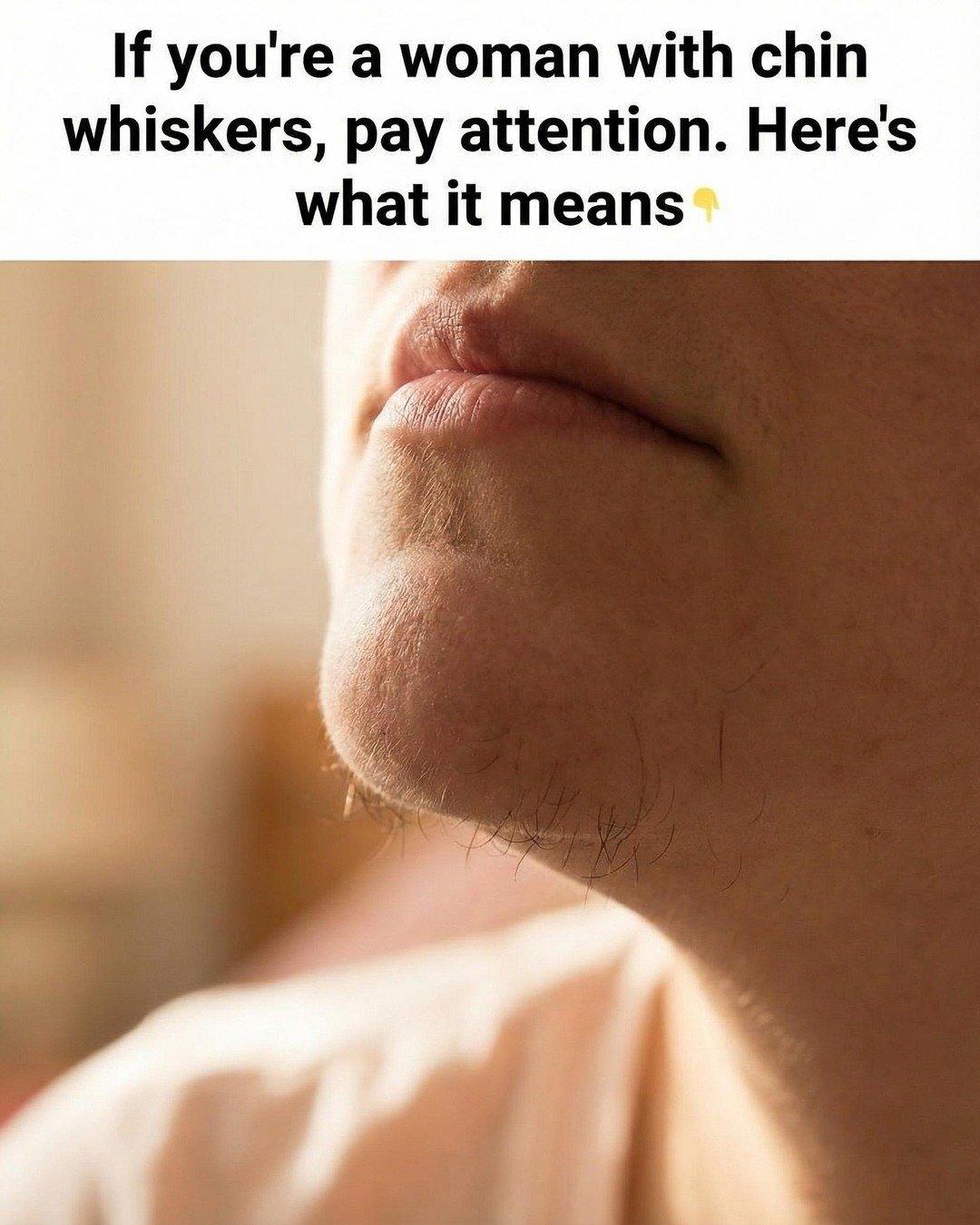
Noticing a few coarse hairs on the chin can be surprising, but it’s actually a common experience for many women. Facial hair growth varies naturally from person to person and is often influenced by genetics, age, and normal hormonal changes. In most cases, occasional chin hairs are simply a cosmetic concern. However, when hair growth becomes more noticeable or appears suddenly, it may be helpful to understand what your body could be signaling. Learning the possible causes allows you to decide whether simple grooming solutions are enough or if a medical check-in might be useful.One of the main factors behind chin hair growth in women is hormonal fluctuation. Women naturally produce small amounts of androgens — hormones often associated with male characteristics — but when levels rise slightly, they can stimulate hair follicles on areas such as the chin and jawline. These changes may occur during menopause, after starting or stopping birth control, or due to thyroid function shifts. Sometimes, increased chin hair appears alongside other signs like acne, irregular menstrual cycles, or weight changes. If multiple symptoms occur together, a healthcare provider can recommend basic hormone testing to ensure everything is balanced.
Another possible contributor is Polycystic Ovary Syndrome (PCOS), a common hormonal condition that affects many women during their reproductive years. One of its well-known features is hirsutism, which refers to increased hair growth in areas where women typically have minimal hair. PCOS may also be associated with irregular periods, difficulty managing weight, or skin changes. It’s important to note that chin hair alone does not automatically mean PCOS is present. A proper medical evaluation is the only way to confirm this condition, and early guidance can help manage symptoms effectively.
In many situations, chin hair is simply part of the natural aging process or inherited traits. Some women develop a few coarse hairs over time without any underlying health issue. Cosmetic options such as trimming, waxing, threading, or professional hair removal treatments can help manage appearance if desired. The key takeaway is awareness rather than worry — paying attention to sudden changes and seeking professional advice when needed. By understanding your body’s signals and responding thoughtfully, you can make confident decisions about both your health and self-care.