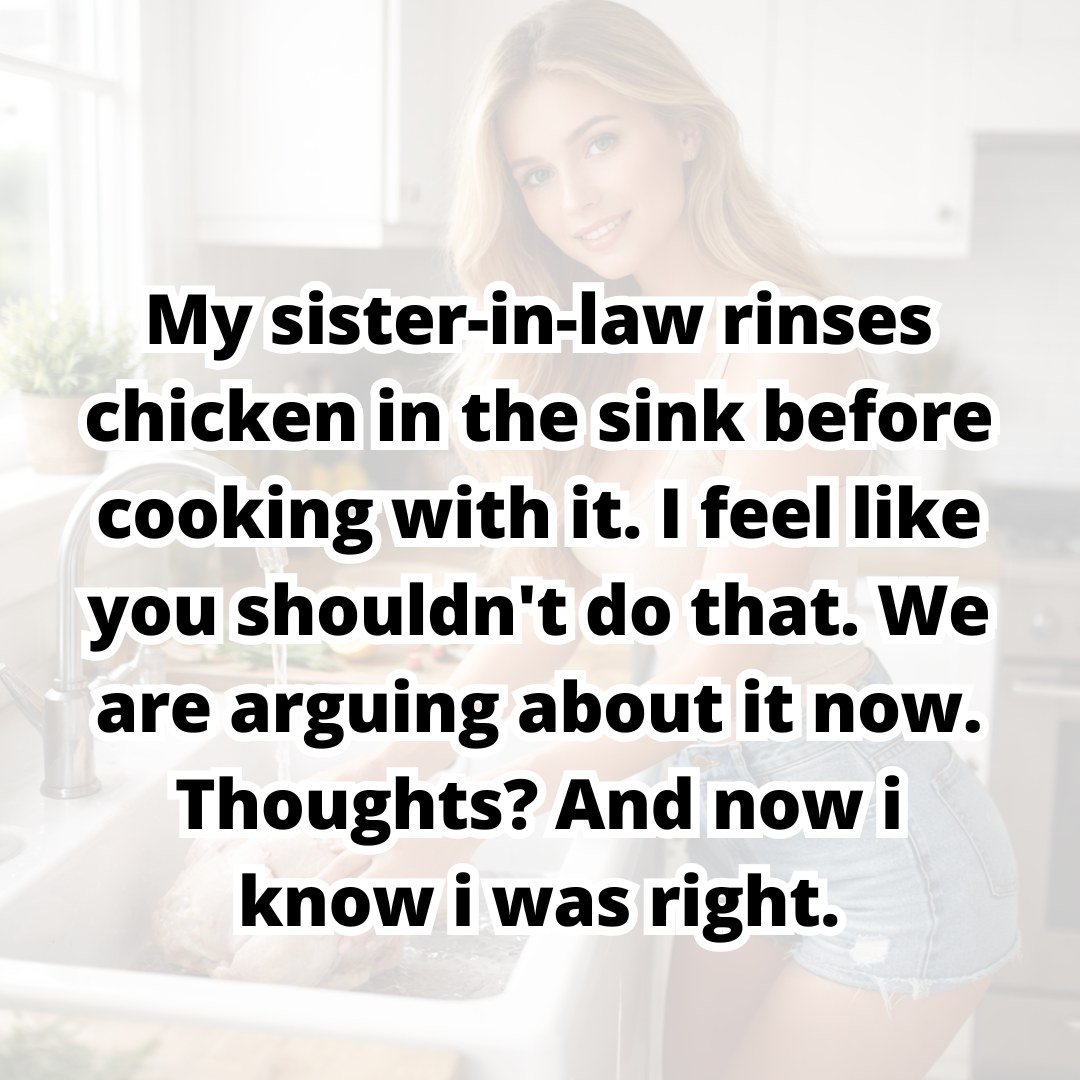
This debate is more common than many people think, and food safety experts have a clear answer.
Why People Rinse Raw Chicken
Many home cooks rinse chicken out of habit or tradition. The most common beliefs include:
- Removing slime or residue from the surface
- “Washing away” bacteria or dirt
- Following family cooking traditions
However, these beliefs do not align with modern food safety guidance.
Why Rinsing Chicken Is Not Recommended
Food safety authorities consistently warn against washing raw chicken in the sink. The reasons are practical and serious:
- Water does not kill bacteria such as Salmonella or Campylobacter
- Rinsing can cause bacteria to spread to:
- Sink surfaces
- Countertops
- Utensils
- Nearby food
- This process is known as cross-contamination, one of the leading causes of foodborne illness at home
In short, rinsing chicken can make the kitchen less safe, not cleaner.
The Only Safe Way to Handle Raw Chicken
The correct method is simple and effective:
- Do not rinse raw chicken
- Place it directly into the pan, pot, or oven
- Cook thoroughly until the internal temperature is safe
- Clean and sanitize:
- Hands
- Cutting boards
- Knives
- Sink and surrounding surfaces
Heat—not water—is what actually destroys harmful bacteria.
Who Was Right in the Argument?
Based on food safety principles:
- The person arguing against rinsing the chicken was correct
- Cooking fully eliminates bacteria, while rinsing increases risk
The realization shared in the image—“now I know I was right”—reflects current food safety knowledge.
Key Takeaway
Rinsing raw chicken:
- ❌ Does not make it safer
- ❌ Increases contamination risk
Proper cooking:
- ✅ Kills bacteria
- ✅ Keeps the kitchen safe