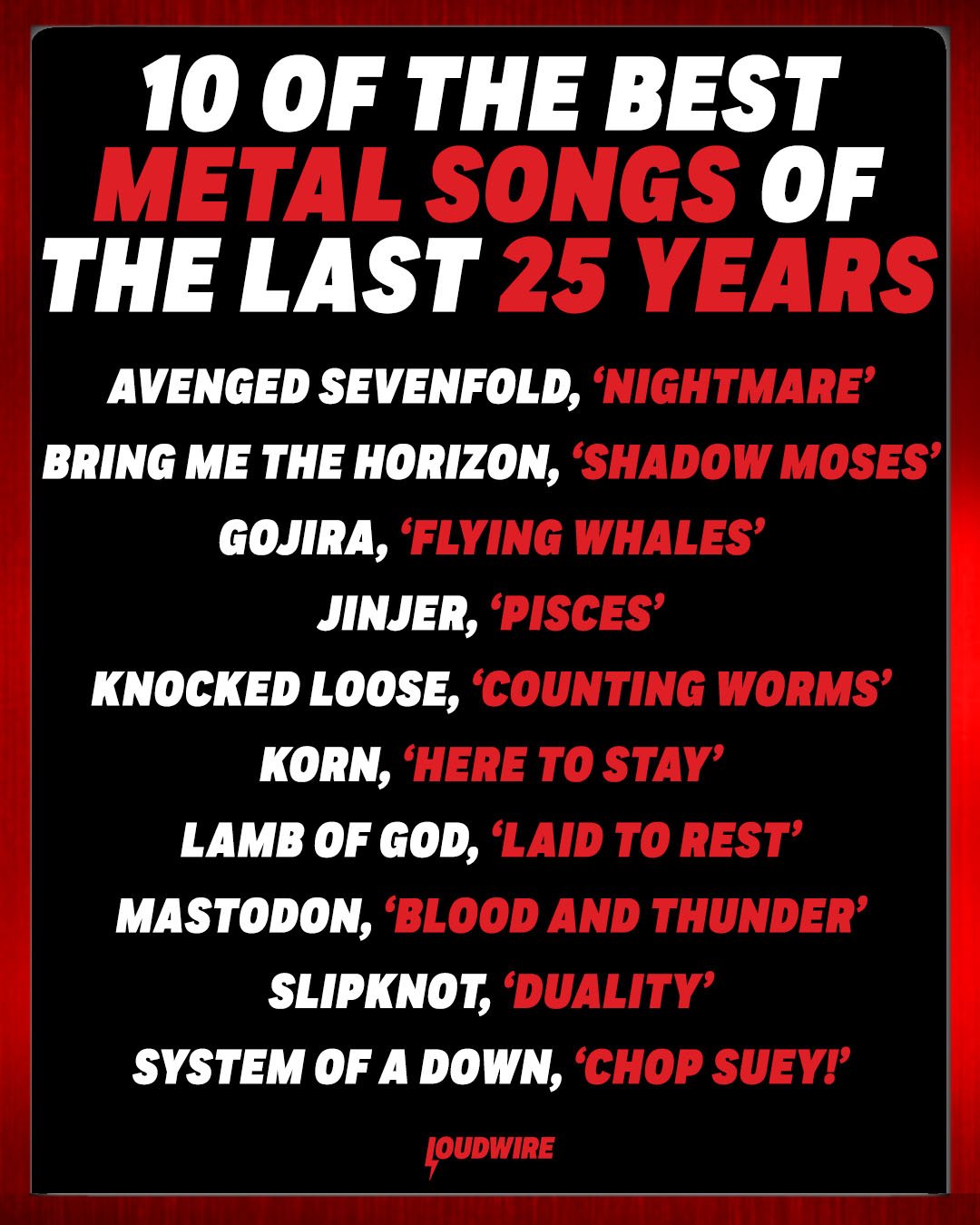
So much metal, so many subgenres, but these songs stood out above the crowd in furthering heavy music over the last 25 years.
Contributions by Jordan Blum (JB), Chad Childers (CC), Joe DiVita (JD), John Hill (JH) and Lauryn Schaffner (LS).
Gallery Credit: Loudwire Staff
Warner Bros.
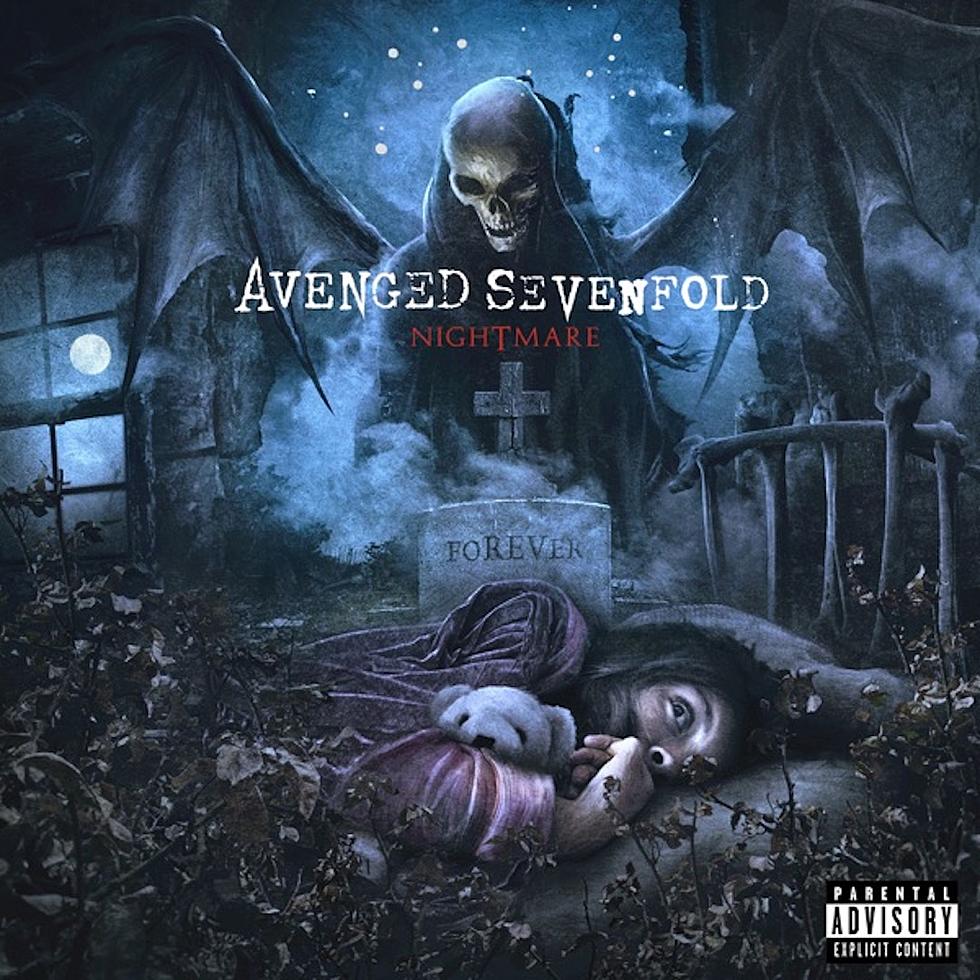
Avenged Sevenfold, “Nightmare” (2010)
Album: Nightmare
After the passing of Jimmy “The Rev” Sullivan, Avenged Sevenfold had a hell of a lot to prove going into Nightmare. The album’s title track featured a lot of The Rev’s writing, as the rest of the band brought it across the finish line and it’s a true testament to how good of a songwriter he was. It’s grandiose, a true testament to the entire band being at the top of their game with an unreal solo and Matt Shadows sounding completely evil.
R.I.P., Rev.
—JH
BMD Fox/earMUSIC/Cooking Vinyl
Babymetal, “Gimme Chocolate!!” (2015)
Babymetal and their brand of kawaii metal showcased heavy music in a manner that had never done before — not even with all the genre-mashing that had been happening throughout the 21st century. This type of shimmering pop crossover has only become more common since this Japanese trio broke down that wall, countering angular thrash with a sweet (zing!) refrain with a serious message.
Lyrically, “Gimme Chocolate!!” deals with health concerns and societal standards of body image, with a yearning to enjoy another bite of chocolate while being weight conscious. Food for thought in a song that so brilliantly merges J-pop with modern, bottom-heavy heavy metal and blistering guitar solos.
With this breakout hit, Babymetal opened new gates for different kinds of music fans to find their eventual pathway to metal.
—JD

Metal Blade
The Black Dahlia Murder, “What a Horrible Night to Have a Curse” (2007)
Album: Nocturnal
Emerging as the premiere death metal band of their generation, The Black Dahlia Murder reshaped the subgenre. Their brand of extremity, marked by choppy rhythms against blackened tremolo-picked melodies and Trevor Strnad’s madcap macabre storytelling, was countered by the larger-than-life personalities behind the group. Death metal went from a blood sport to a fun sport.
The pinnacle for TBDM is, of course, Nocturnal, which houses the premiere highlight, “What a Horrible Night to Have a Curse.” Perfectly encapsulating everything this band does best (as described above), it’s wickedly malevolent and so melodically alluring, even down to Strnad’s labyrinthine delivery made possible by his ridiculous lungspan and inexhaustible endurance.
—JD

Trustkill Records
Bullet for My Valentine, “Tears Don’t Fall” (2006)
Album: The Poison
One of the key tracks in metalcore’s 2000s emergence, Bullet for My Valentine‘s “Tears Don’t Fall” is a banger seeped in regret over a doomed relationship.
Singer Matt Tuck’s aggressive “Let’s go” sets off the song on a high note. The track offers some undeniable metalcore riffs, some powerful drumming and moments of melodic clean singing that stand out amongst the best of the genre.
Though the song fared well in the U.S., it received its biggest response in the U.K. where it rose to No. 3 on the U.K. Rock chart and was eventually crowned as Kerrang!‘s Best Single for the year.
—JH

Epitaph
Bring Me the Horizon, “Shadow Moses” (2013)
Album: Sempiternal
This is the moment it all started to change for Bring Me the Horizon. Their fourth studio album Sempiternal marked the arrival of keyboardist Jordan Fish and a shift toward incorporating more accessible pop hooks into their already heavy sound.
“Shadow Moses” was released in January 2013, serving as the introductory track kicking off this shift. The song takes a dreary dystopian view, is filled with crushing riffs and Oli Sykes screaming throughout. But there are moments of pit-stirring guitar work and Fish’s dreamy keyboard work that make distinguish this song from pretty much anything in the metalcore world that was being released at the time. It was a definite game changer for the band.
—CC

Spinefarm / Century Media
Children of Bodom, “Needled 24/7” (2003)
Album: Hate Crew Deathroll
The perfect injection of both worlds Children of Bodom played in, “Needled 24/7” is the sound of a metal revolution. Just before the New Wave of American Heavy Metal’s chugging grooves came for Finland’s premiere neoclassical shred revivalist, Hate Crew Deathroll hinted at a more rhythmic future but hadn’t detached from the fun-loving arena songcraft.
“Needled 24/7” showcases Alexi Laiho’s wide-ranging talents and elite writing abilities with a furious dose of fretboard fireworks that serve as shot the adrenaline that surges through the rest of the song. While Are You Dead Yet? broke Bodom in the U.S. with a sound dialed in for that audience, this Hate Crew Deathroll opener feels a lot like the spark that lit that huge flame.
—JD

Roadrunner Records
Dragonforce, “Through the Fire and Flames” (2005)
Album: Inhuman Rampage
Thanks to Guitar Hero 3, power metal finally became a stateside sensation. The game’s inclusion of the dizzyingly fast “Through the Fire and Flames” was notoriously difficult to master, even on a plastic guitar-shaped controller with five buttons. The fact that Herman Li and Sam Totman were waging solo wars such as these with full use of six strings and a couple dozen frets felt absolutely otherworldly.
It was a time where a video game could almost single-handedly be the big breakthrough moment so many hopeful bands are looking for. And as metalcore engulfed the modern scene, DragonForce prevailed against the odds — a natural power metal tale of triumph.
But it’s not just the mind-numbing guitar playing that has made “Through the Fire and Flames” such an enduring favorite. The arrangement is arresting, perfectly constructed for storytelling that begins with the spotlight vocal which sets the scene — “On a cold winter morning / In a time before the light.” It’s an immediate hook that straps you in for the rest of the journey.
—JD

Listenable Records
Gojira, “Flying Whales” (2005)
Album: From Mars to Sirius
Lifted from the French group’s most beloved record, “Flying Whales” is a contender for Gojira’s best song. It’s eco-friendly message is immediately internalized by the mellow prelude (comprised of mournful guitar riffs, drumming and whale cries), paving the way for frontman Joe Duplantier’s primal yet poetic lyrics and screams. From there, the track continues to alternate between devastation and serenity, with an utterly beautiful breakdown in the middle and some zany musicianship near the end cementing the band’s dynamic brilliance.
If there’s one track that epitomizes Gojira’s greatness, it’s “Flying Whales.”
—JB
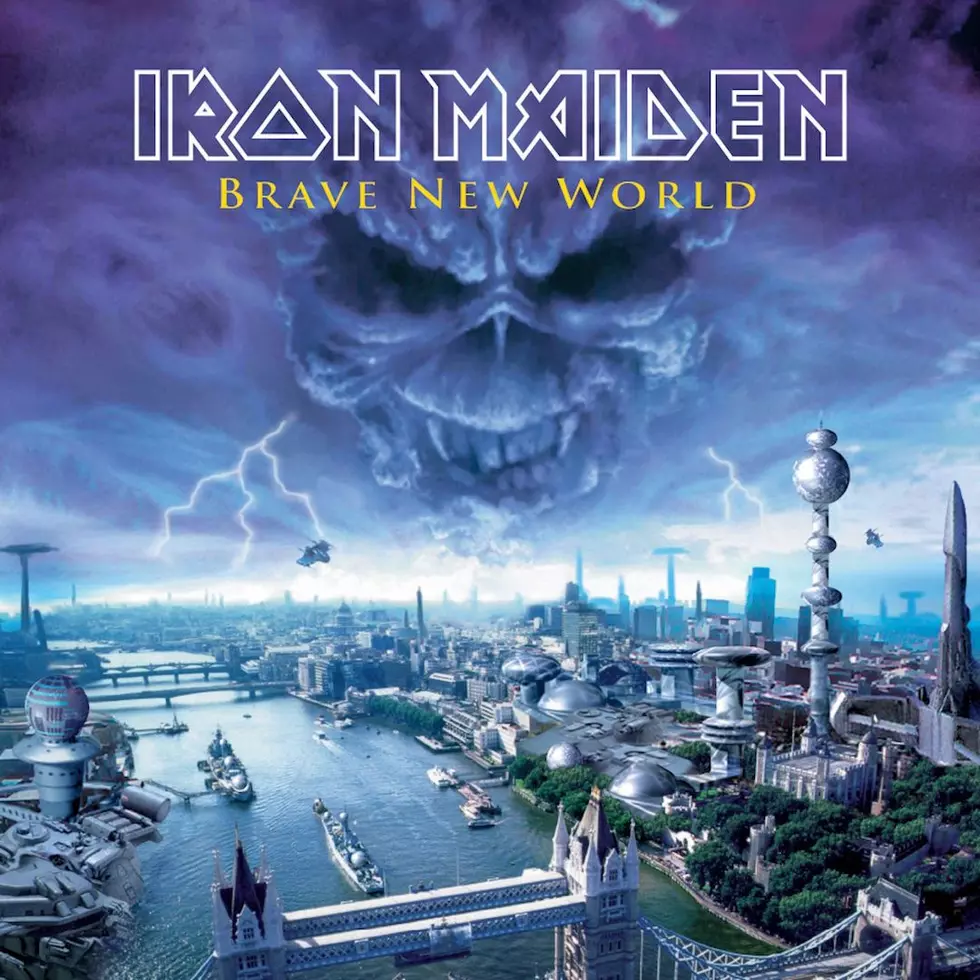
EMI
Iron Maiden, “The Wicker Man” (2000)
Album: Brave New World
Welcome back, boys!
Rejoined by singer Bruce Dickinson and guitarist Adrian Smith, Iron Maiden forged ahead as a six-piece, roaring back with the now classic “The Wicker Man.”
Anticipation from fans eager to hear if Maiden could recapture their ‘80s magic was met with an urgent single that matched their energy and immediately restored confidence in the band. Thrash had fallen, hair metal fizzled and Rob Halford was still out of Judas Priest, which makes the quality of “The Wicker Man” (written by Steve Harris, Dickinson and Smith) all the more astounding. And it wasn’t long before other legacy bands began to enjoy a lengthy late career run.
Engaging from the very beginning — “Hand of fate is moving and the finger points to you” — Iron Maiden’s decision to speak directly to each and every fan sealed the deal for a perfect comeback.
—JD

Napalm
Jinjer, “Pisces” (2016)
Album: King of Everything
Jinjer’s only LP with drummer Dmitriy Kim, King of Everything is often ranked as their finest achievement and the incredibly varied and affective “Pisces” is obviously a major reason why.
For one thing, Tatiana Shmayluk’s vocal range is downright incredible, with both her sorrowful clean singing and devilish growls rivaling – if not outdoing – comparable approaches by everyone else in the genre. She makes the already evocative songwriting of “Pisces” even more emotional, and naturally, the rest of the band complements her perfectly with a juxtaposition of soothing and sinister instrumentation.
Even at its flashiest, “Pisces” clearly prioritizes meaningfulness and craftsmanship over self-serving flashiness and aggression.
—JB

Roadrunner Records
Killswitch Engage, “The End of Heartache” (2004)
Album: The End of Heartache
For many, Killswitch Engage served as the entrypoint to metalcore, as the genre would soon become what’s arguably the predominant style of 2000s.
It’s not exactly hard to see why on “The End of Heartache.” Howard Jones’ vocals to this day are still unlike anyone else in metal, able to imbue a level of emotion and feeling few others can, backed up by riffs that equally match that palette of expression.
—JH

Pure Noise Records
Knocked Loose, “Counting Worms” (2016)
Album: Laugh Tracks
Yeah, “ARF, ARF!” …we get it.
Beyond the extremely memeable nature of Knocked Loose’s “Counting Worms,” the track signaled a great shift that was to come in heavy metal over the next few years, which was the rise of hardcore’s dominance in the genre and a far greater comfortability in getting as heavy as possible.
In just one minute and eleven seconds, the band delivers an absolute ass-beater of a track, vocalist Bryan Garris’ barks igniting a mosh pit that will leave no survivors.
—JH

Immortal / Epic
Korn, “Here to Stay” (2002)
Album: Untouchables
If there’s one person who’s incredibly talented at turning pain into a badass song, it’s Jonathan Davis. The lyrics to Korn’s “Here to Stay” can be interpreted in different ways, whether it’s about internal self-conflict and agony or the despair people feel when there’s a lot of chaos going on in the world around them. The video focuses more on the latter, highlighting how violent and destructive the world can be.
But even without paying attention to the words and underlying message of the song, it’s just as hard-hitting because of the rhythm and sick bass line. There’s a reason they open their concerts with it — it grabs your attention and sets the mood for the rest of the show.
—LS

Epic Records
Lamb of God, “Laid to Rest” (2004)
Album: Ashes of the Wake
Heavy metal desperately needed new blood at the beginning of the 2000s and no band was better equipped to build on the genre’s past than Lamb of God.
“Laid to Rest” takes much of what was going on in the 90s with bands like Pantera and brings it forward with its logical next step. Riffs are doubled down, the band offers up a genuinely memorable mosh part and Randy Blythe made himself known as one of the genre’s most brutal vocalists.
—JH
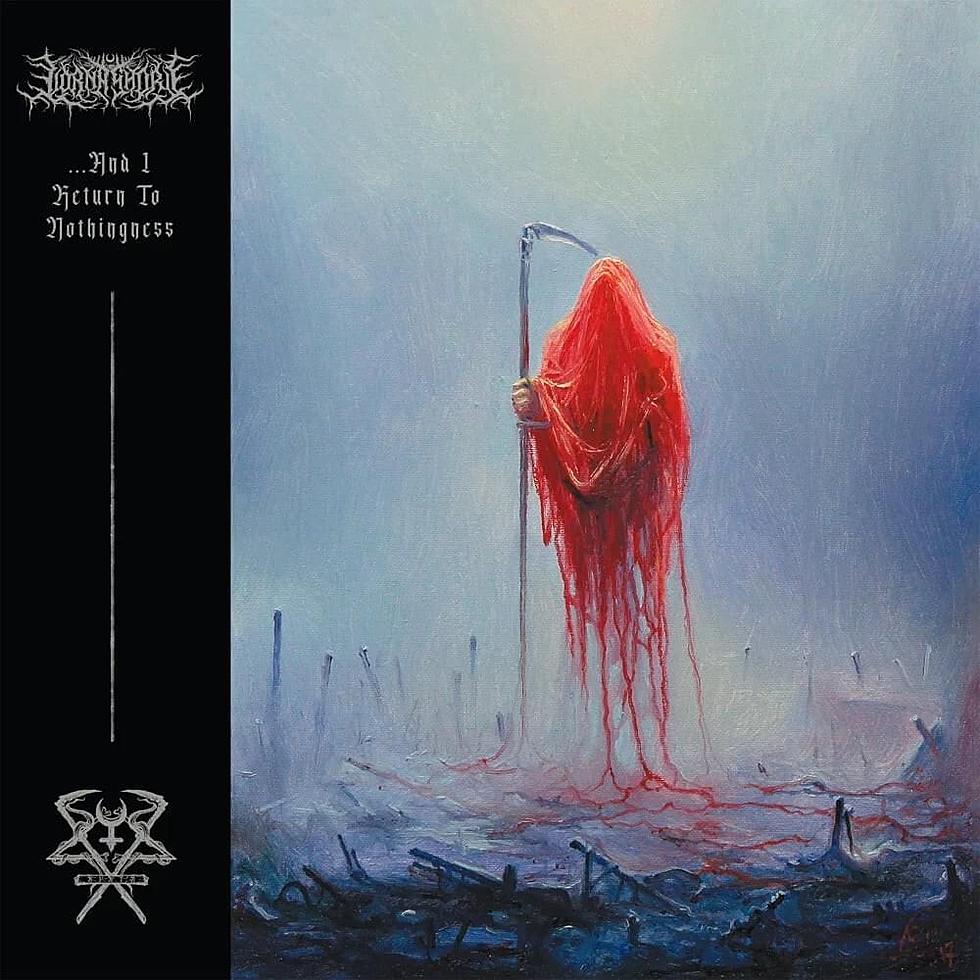
Century Media
Lorna Shore, “To the Hellfire” (2021)
EP: …And I Return to Nothingness
Lorna Shore have been at the forefront of a deathcore renaissance, even legitimizing it in the eyes of its most fervent detractors. What’s most innovative is the group’s dedication to crafting malevolently epic atmospheres through elongated, simplistic melodies. The approach, in tandem with textured keys, add a symphonic quality to the otherwise devastatingly brutal music driven by concussive drumming and, of course, some beefy chugs.
“To the Hellfire” is the perfect representation of Lorna Shore’s vision, which also marked the debut of Will Ramos. His spotlight hog squealing went viral and, beyond just being a sensational moment on the internet, it garnered a faithful fanbase. Since, Lorna Shore have elevated to headlining their own tours and they safely be mentioned in the same breath as deathcore’s earliest greats.
—JD

Relapse
Mastodon, “Blood and Thunder” (2004)
Album: Leviathan
The Remission debut (2002) may’ve introduced Mastodon to the world (well, in addition to their prior EPs), but it was 2004’s Moby Dick-inspired Leviathan the truly marked the arrival of the progressive/sludge metal quartet.
“Blood and Thunder” is undoubtedly one of the most kickass metal openers of the 21st century, with the band’s characteristically hypnotic six-string riffs, frenetic syncopation and gruff singing (courtesy of bassist Troy Sanders) in full effect. The multilayered guitar breakdown in the middle – as well as the choral chants during the chorus – are just as emblematic and awesome.
Mastodon would get more progressive and psychedelic on subsequent LPs, but in terms of announcing Mastodon as a premier metal force to be reckoned with, you can’t do better than “Blood and Thunder.”
—JB

Nuclear Blast
Meshuggah, “Bleed” (2008)
Album: obZen
Before there was djent, there was Meshuggah. While the band had pioneered this style mind-bending metal predicated on syncopation and polyrhythms, their genius wasn’t as widely celebrated until the djent style took off with younger bands.
Whatever you want to call this style (or don’t want to call it), “Bleed” (and the rest of obZen) was released at the right time and place in metal’s evolutionary saga. It’s a nearly seven-and-a-half-minute endurance test for the band’s members and the listener, riding a mean groove despite the maelstrom of nuanced technicality that surrounds it.
—JD

Spinefarm / Nuclear Blast / Roadrunner
Nightwish, “Nemo” (2004)
Album: Once
The lead single from Nightwish’s breakthrough fifth studio album (which was also the last one with vocalist Tarja Turunen), “Nemo” is probably the most important song the Finnish symphonic metallers ever put out.
It’s inspired by keyboardist/songwriter Tuomas Holopainen’s feelings of “not being sufficient enough, a feeling of being a terrible person and fucking up everything.” Its combination of dejected pianowork and forlorn singing alongside expressive heaviness captures both the fragility and fury that such self-loathing might provoke.
Specifically, Turunen’s operatic outcries have never sounded purer or more poignant and with the addition of subtle strings, the arrangement perfectly captures Nightwish’s treasured ability to be grandiose and reserved in the same composition.
—JB
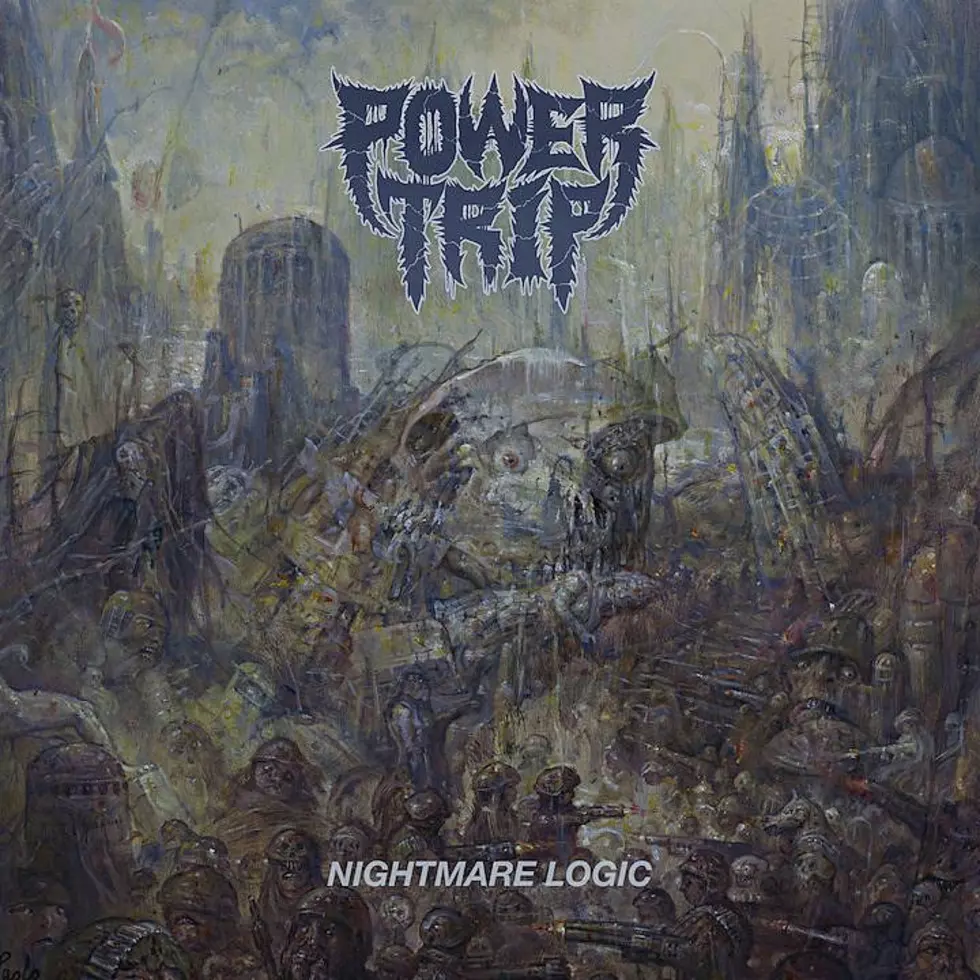
Southern Lord
Power Trip, “Executioner’s Tax (Swing of the Axe)” (2017)
Album: Nightmare Logic
Power Trip had generated momentum rarely seen in metal’s underground at such a rapid clip once this Texas troupe dropped Nightmare Logic. Pits resembled those frenzied videos we’ve all seen of thrash pioneers back in the ‘80s and it was clear that Power Trip were carving out a legacy all their own within the scene.
“Executioner’s Tax (Swing of the Axe)” is lean as could be, cleverly walking the line between fun and fatal with tight, choppy riffs and a serrated-throat, shout-along vocal delivery from the late Riley Gale. Thrash was and still is in no real need of reinvention and Power Trip proved that you can honor the old school sound and deliver better results than just about anyone else.
—JD
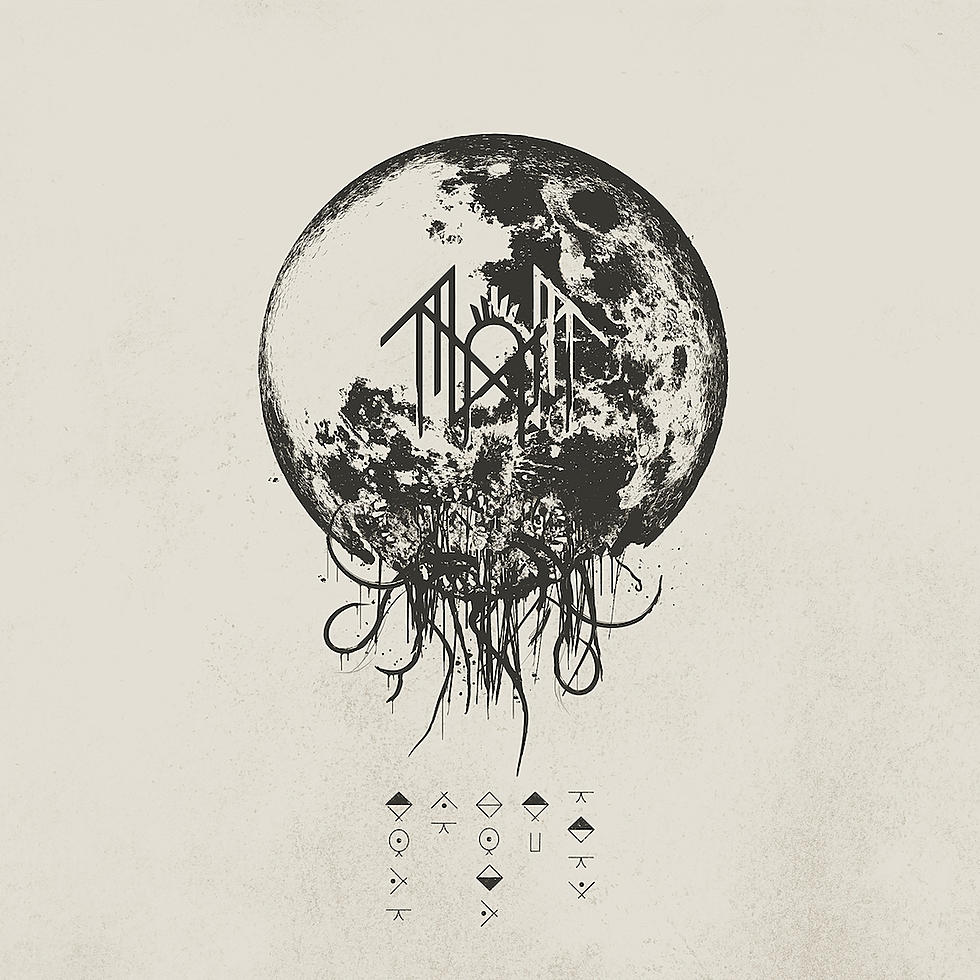
Spinefarm
Sleep Token, “The Summoning”
Album: Take Me Back to Eden
“The Summoning” is the second song on Sleep Token’s 2023 LP and with its alluring fusion of chaos and catharsis, it’s no wonder why it quickly become one of the enigmatic duo’s most popular tracks.
From start to finish, it feels epic, with Vessel’s confrontational verses and falsetto choruses capturing his silkily passionate singing style. Of course, he also screams a fair amount as he dishes out some brutal guitar ruffs alongside II’s versatile drumming.
Throw in immaculate production, a pop/R&B detour near the end and ethereal keyboard/synth foundations throughout and you have arguably the best representation of Sleep Token’s Periphery-meets-Imagine-Dragons formula.
—JB
Read More: The 25 Best Metal Songs of the Last 25 Years | https://loudwire.com/best-metal-songs-since-2000/?fbclid=IwZXh0bgNhZW0CMTAAYnJpZBExckdIcGtXQ3dLWWNab3AyUnNydGMGYXBwX2lkEDIyMjAzOTE3ODgyMDA4OTIAAR6cBo2t57FQ6Zx_nV5YqVxm_2uW9tVYPyO79kVnvspNg2W555kMmEB1BGAwhw_aem_UwDTrwJ3uAb1ccM4mYqr1g&utm_source=tsmclip&utm_medium=referral