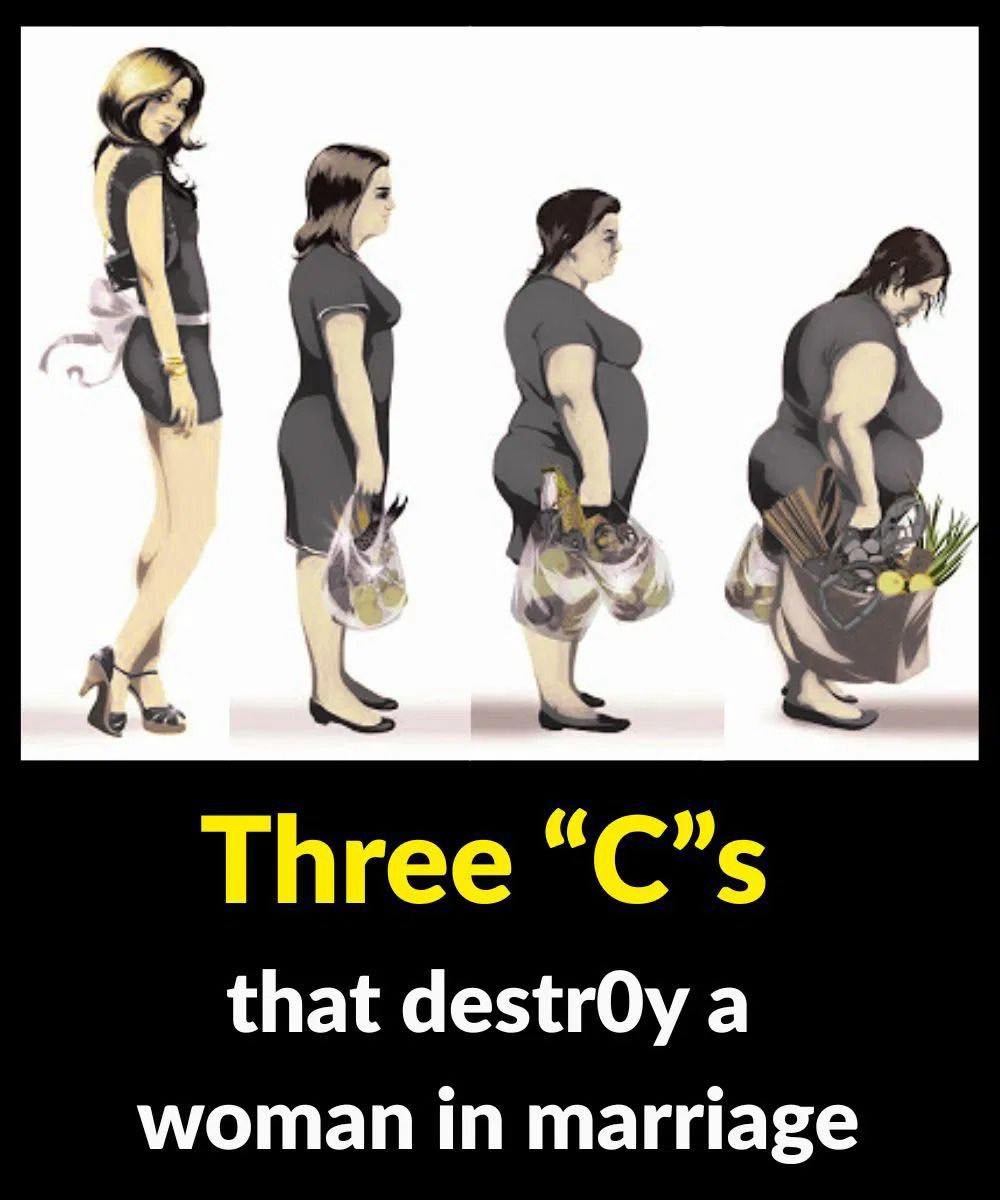
Control, comparison, and criticism are themes that frequently appear in discussions about marriage and its impact on women. On my blog, I often reference an image that illustrates the idea of the “reverse evolution” of women within marriage. In it, words attributed to the villain Cruella warn that marriage has harmed more women than famine or natural disasters. While this quote is clearly exaggerated to emphasize the character’s cruelty, it has nevertheless resonated with many people who have experienced—or fear—unhappy marriages.
I hold two perspectives on statements like this. On one hand, it is undeniable that many women suffer deeply in unhealthy marriages. Emotional neglect, lack of respect, and power imbalances can erode a person’s sense of self over time. On the other hand, I believe it is misleading to blame marriage itself as an institution. Marriage is a framework; what causes harm are specific behaviors and dynamics that can exist within it. When harmful patterns are normalized, they are often mistaken for the “price” of being married.
One of the most damaging of these patterns is constant criticism. Healthy relationships require feedback and honest communication, but there is a clear difference between constructive dialogue and relentless fault-finding. When a woman is repeatedly criticized—about her appearance, her cooking, her way of speaking, or her parenting—it slowly undermines her confidence. The pain is amplified when this criticism comes from a partner, the very person from whom she expects understanding and unconditional support.
Over time, what may begin as small remarks can turn into a constant attack on her identity. She may start doubting her abilities, suppressing her opinions, or emotionally withdrawing—not because she has stopped caring, but because she no longer feels safe being herself.
The alternative is intentional, respectful communication. Concerns should be expressed from a place of care, not control. Using “I” statements, listening without defensiveness, and acknowledging strengths alongside weaknesses can transform conversations. Marriage does not have to diminish a woman; when built on respect and empathy, it can be a space where she grows rather than disappears.